
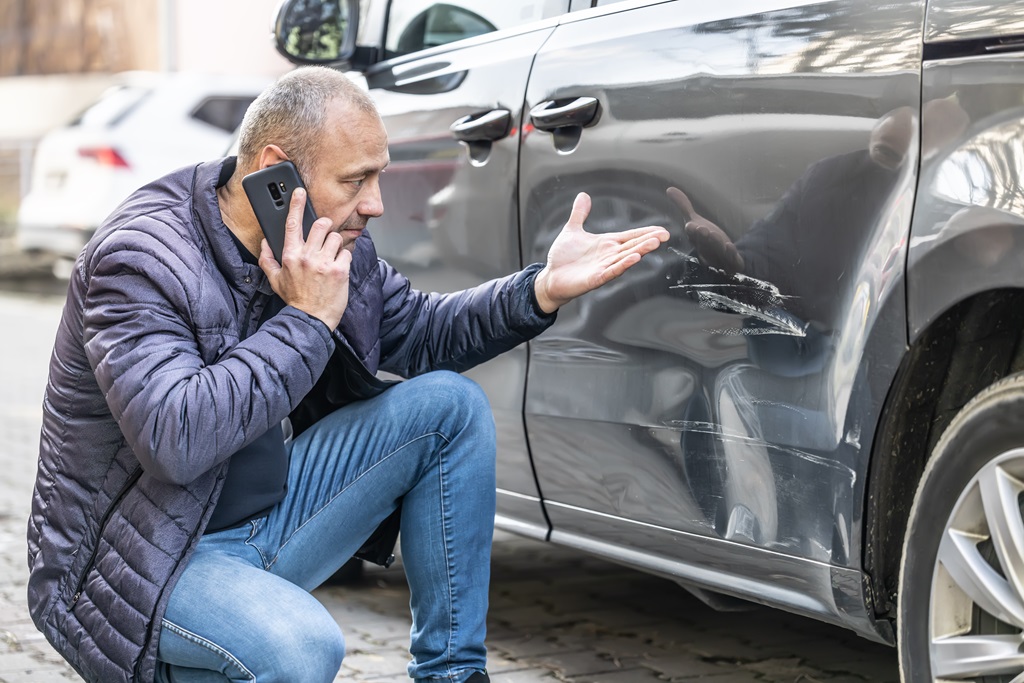
When it comes to safeguarding your vehicle, understanding the distinctions between “liability insurance” and “full coverage” is paramount. In this blog post, we’ll unravel the mystery behind what is liability insurance vs full coverage. These terms often pop up in conversations about car insurance, and having a grasp of their differences is essential for making well-informed decisions about your coverage. So, fasten your seat belts as we embark on a journey through the intricacies of liability insurance and full coverage.
Thank you for reading this post, don't forget to subscribe!What is Liability Insurance vs Full Coverage
Now that we’ve set the stage, let’s delve into the core question: What is liability insurance vs full coverage? At a basic level, these are two fundamental types of car insurance, each serving distinct purposes.
Liability insurance primarily covers damages and injuries you may cause to others in an accident where you’re at fault. It is, in essence, a protective shield for other drivers and their property. On the flip side, full coverage is a more comprehensive option. It not only includes liability but also extends to cover damages to your own vehicle, providing a broader scope of protection.
In the world of car insurance, the choice between liability and full coverage often boils down to individual needs and circumstances. Let’s break down the key characteristics of each to help you make an informed decision that aligns with your specific requirements.
What Does Liability Insurance Cover?
Liability insurance primarily serves to protect you from financial loss in situations where you are at fault in an accident. This coverage is typically divided into two main components: bodily injury liability and property damage liability.
- Bodily Injury Liability: This aspect of liability insurance comes into play if you’re responsible for an accident that causes injuries to other people. It covers medical expenses, rehabilitation, and even lost wages for the affected individuals.
- Property Damage Liability: If you damage someone else’s property, whether it’s their car, fence, or any other belongings, property damage liability steps in to cover the repair or replacement costs.
While liability insurance is essential for meeting legal requirements in PA and protecting others on the road, it’s crucial to recognize its limitations when it comes to covering your own vehicle. This is where the concept of full coverage starts to shine.
What Are the Disadvantages of Full Coverage?
While full coverage car insurance offers a broader range of protection, it’s essential to weigh the advantages against the potential disadvantages. Understanding the drawbacks can help you make an informed decision that aligns with your needs and budget.
Cost: One notable disadvantage of full coverage is the higher cost compared to liability insurance alone. The comprehensive nature of full coverage, encompassing both liability and damages to your own vehicle, often comes with a heftier premium.
Deductibles: Full coverage policies typically come with deductibles – the amount you must pay out of pocket before your insurance kicks in. High deductibles can be a financial burden in the event of a claim.
Age and Condition of the Vehicle: If you have an older car with a lower market value, the cost of full coverage may outweigh the potential benefits. In such cases, opting for liability insurance alone might be a more cost-effective choice.
Coverage Limits: Full coverage policies may have limits on certain types of coverage. It’s essential to review these limits to ensure they meet your specific needs.
Understanding these disadvantages can guide you in making a well-informed decision based on your financial situation and the value of your vehicle.
How Much is Liability Insurance vs Full Coverage
One of the crucial factors that influence the understanding of what is liability insurance vs full coverage is the cost. Let’s break down how much liability insurance and full coverage might set you back.
Liability Insurance
In Pennsylvania, you might expect to pay anywhere from $500 to $1,500 per year for liability coverage.
The cost of liability insurance can vary widely based on several factors, including your driving history, age, location, and the coverage limits you choose.
Full Coverage
Full coverage, being more comprehensive, tends to be pricier. The cost can range from $1,000 to $3,000 or more annually, depending on factors like the make and model of your car, your driving record, and the coverage limits.
It’s important to note that these are rough estimates, and actual quotes can vary based on individual circumstances and insurance providers. To get the most accurate and up-to-date information, contact our expert agents at PA Auto Insurance Outlet for a car insurance quote in PA that is worth it.
Get Affordable Auto Insurance in PA Today
In the world of car insurance, the choice between liability insurance and full coverage boils down to finding the right balance between protection and cost. Understanding the nuances of what is liability insurance vs full coverage empowers you to make informed decisions tailored to your unique needs.
If you find yourself uncertain about which option is right for you or have questions about obtaining the best coverage for your specific situation, don’t hesitate to reach out to PAAIO. Our dedicated team is here to guide you through the intricacies of car insurance, ensuring you drive with confidence and security.
Ready to make a decision? Contact PAAIO today and let us help you find the perfect balance between liability insurance and full coverage for your peace of mind on the road.