
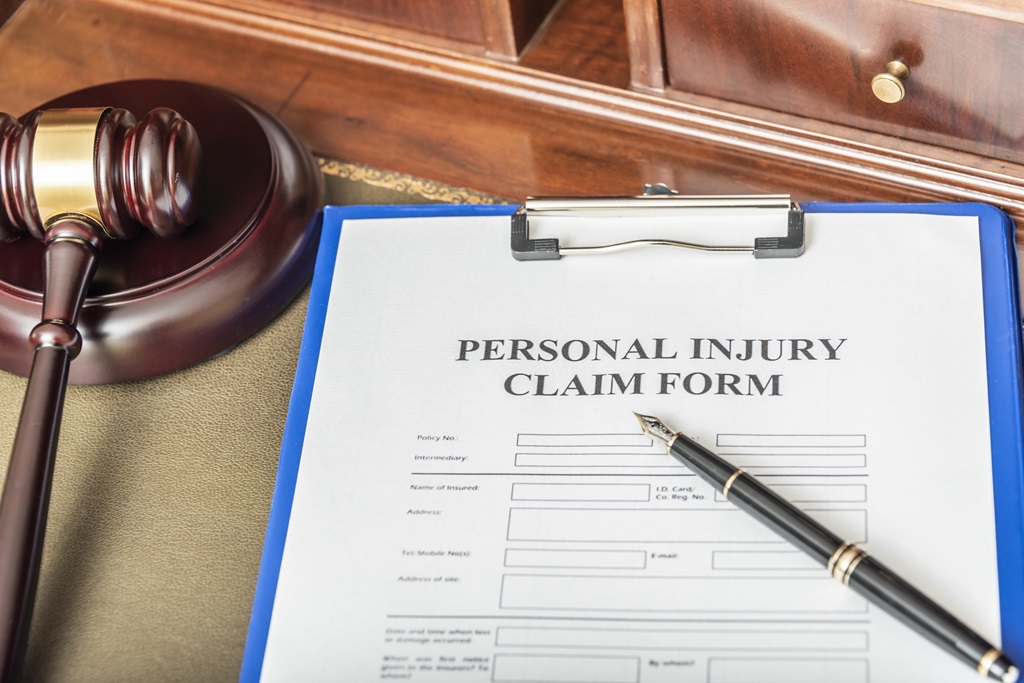
Welcome to our guide on personal injury protection in Pennsylvania! Navigating through insurance policies can be a complex journey, but understanding the basics of Personal Injury Protection (PIP) is crucial, especially when you’re in the Keystone State. Whether you’re a seasoned resident or a newcomer, having the right insurance coverage is essential for safeguarding yourself in case of unforeseen events.
Thank you for reading this post, don't forget to subscribe!In this article, we’ll delve into the depths of personal injury protection, deciphering what it is, exploring Pennsylvania’s PIP statute, and providing insights on how to secure this coverage.
What is Personal Injury Protection Coverage?
Personal injury protection in Pennsylvania is a critical component of auto insurance, commonly known as PIP. This coverage extends beyond the traditional liability coverage, providing financial support for medical expenses and, in some cases, lost wages and related costs, regardless of fault in an accident. Being a no-fault insurance, PIP ensures that you can receive benefits irrespective of who caused the accident.
Understanding the ins and outs of PIP coverage is vital to ensuring you have the protection you need in the event of an injury. So, let’s dive deeper into the details of what personal injury protection coverage entails.
Pennsylvania Personal Injury Protection Statute
Understanding the legal framework is vital when it comes to personal injury protection in Pennsylvania. The Pennsylvania Personal Injury Protection Statute outlines the specific requirements and regulations that both insurance providers and policyholders must adhere to.
One key aspect of the statute is the mandatory nature of PIP coverage for all auto insurance policies in the state. This ensures that individuals have a basic level of protection in case of injuries resulting from auto accidents. The statute also delineates the minimum and maximum coverage limits, allowing policyholders to choose the level of protection that aligns with their needs. In this case, the PIP statute mandates all drivers carry at least $5,000 of a FPMB coverage.
Additionally, the statute outlines the process for filing claims, the types of medical expenses covered, and the duration for which benefits are available. Familiarizing yourself with these statutory details is essential to making informed decisions about your insurance coverage.
How to Get Personal Injury Protection in Pennsylvania
Securing personal injury protection in Pennsylvania is a straightforward process. Here are the steps to ensure you have the coverage you need:
Contact Your Insurance Provider: Reach out to your current auto insurance provider, such as PA Auto Insurance Outlet, to inquire about adding personal injury protection to your policy. Most insurance companies offer this coverage, and they can provide details about the cost and coverage options.
Understand Coverage Options: Personal injury protection comes with varying coverage limits. Discuss with your insurance provider to understand the options available and choose the coverage that suits your needs. Consider factors such as medical expenses, lost wages, and other related costs.
Evaluate Cost and Deductibles: Determine the cost of adding personal injury protection to your policy with guidance from your insurance provider, PA Auto Insurance Outlet. Compare different plans, taking into account any deductibles that may apply. Balancing cost and coverage is key to finding the right plan for you.
Complete the Application Process: Once you’ve decided on the coverage that meets your requirements, complete the necessary paperwork and applications. Your insurance provider, PA Auto Insurance Outlet, will guide you through the process, ensuring all required information is provided.
Review Policy Terms: Take the time to carefully review the terms of your personal injury protection coverage. Understand the conditions for filing a claim, the types of expenses covered, and any limitations that may apply.
By following these steps, you can easily integrate personal injury protection into your auto insurance policy.
Personal injury protection is not just a legal requirement in Pennsylvania; it’s your shield against the unexpected twists on the road of life. Understanding the nuances of PIP coverage in Pennsylvania and navigating the statutes ensures you’re well-prepared for any unforeseen circumstances.
At PA Auto Insurance Outlet, we’re here to guide you through the process of securing the right personal injury protection for your needs. Your safety and peace of mind are our top priorities. Take the proactive step to fortify your coverage, ensuring that you and your loved ones are protected no matter what the road ahead may hold.
Don’t leave your well-being to chance—contact PA Auto Insurance Outlet today and drive with confidence.